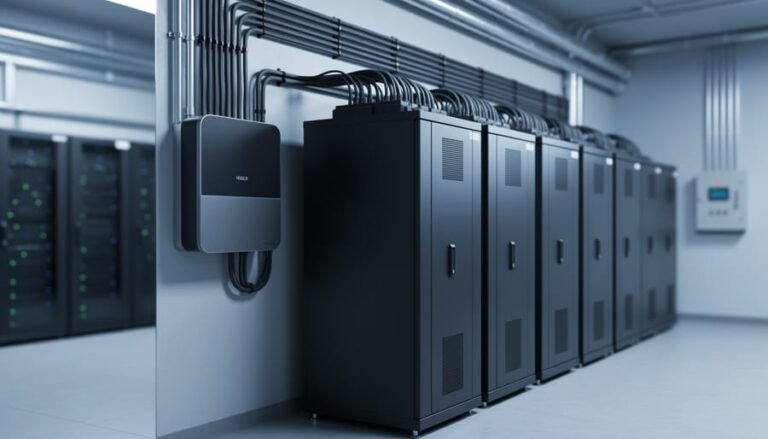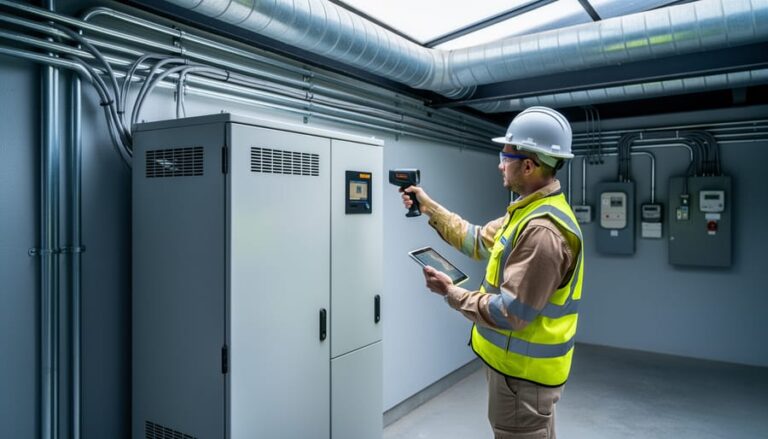
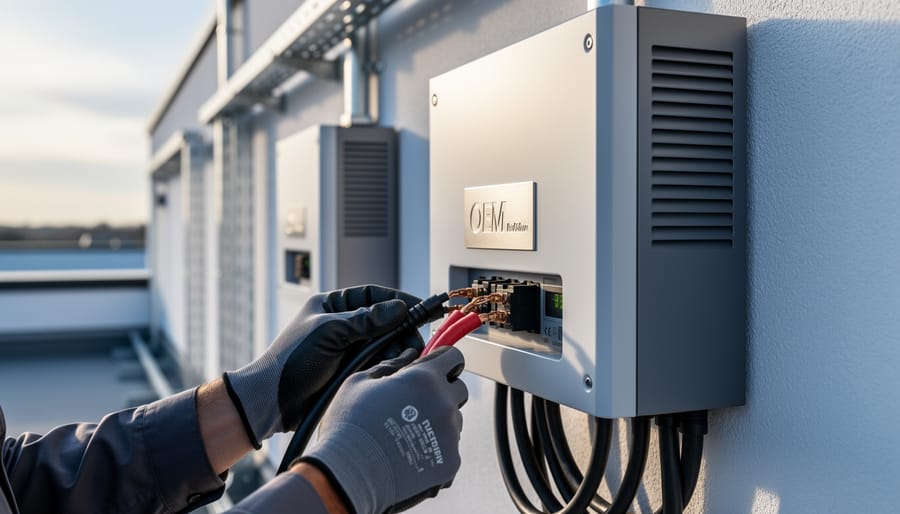
An OEM partnership means a battery storage installer has secured a direct relationship with the original equipment manufacturer, granting access to priority support, technical training, and often better warranties than independent resellers can offer. For businesses and property owners evaluating battery systems in 2026, these partnerships translate into faster service response times, genuine replacement parts, and installers who understand the technology at a deeper level because they’ve been trained by the people who built it.
The practical difference shows up when something goes wrong or when you need system optimization. An OEM-partnered installer can typically resolve technical issues in days rather than weeks, pulling from manufacturer resources that aren’t available through standard distribution channels. They also gain early access to firmware updates and new features, which means your battery system stays current longer and performs closer to its theoretical capacity.
This matters particularly for commercial installations where downtime directly impacts operations and for residential customers investing significant capital into energy independence. The partnership model creates accountability on both sides. Manufacturers protect their brand reputation by vetting which installers represent them, while installers gain competitive advantages through exclusive training and support structures.
Beyond the immediate service benefits, OEM partnerships often enable bespoke energy solutions tailored to specific site requirements. When an installer has direct manufacturer relationships, they can configure systems with more flexibility and recommend combinations of equipment that generic resellers might not even know exist. The result is infrastructure designed around your actual energy patterns rather than forcing your needs into whatever package happens to be in stock.
Understanding these partnerships helps you distinguish between installers who simply purchase equipment and those who maintain ongoing technical relationships with the brands they install.
What an OEM Partnership Actually Means for Battery Storage
An OEM partnership in battery storage goes far beyond simply purchasing products from a manufacturer. It’s a formal business relationship where companies like Tesla, SolarEdge, or LG Energy Solution certify specific installers to represent their technology, meet rigorous installation standards, and provide manufacturer-backed service. These partnerships require installers to complete extensive training programs, maintain specific certifications, and demonstrate consistent quality in their work.
The distinction matters because not every company selling battery systems has this level of manufacturer endorsement. A standard vendor relationship means a business can purchase and install products, but without the formal backing, technical resources, or warranty support that comes with partnership status. Anyone can buy equipment and attempt installation, but OEM partners earn their status through proven expertise and accountability.
- OEM Partner
- An installer formally certified by the battery manufacturer to meet specific training, quality, and service standards. These partners receive direct technical support and can offer manufacturer-backed warranties.
- Authorized Installer
- A company that has completed the manufacturer’s certification process and maintains the qualifications to install and service specific battery systems under the OEM’s standards.
- Certified Integration Partner
- An advanced partnership level where installers demonstrate expertise in integrating battery systems with solar panels, inverters, and grid services for complete energy solutions.
- Standard Vendor Relationship
- A basic commercial arrangement where a company purchases and resells products without formal manufacturer certification, training, or direct technical support.
Why does this partnership structure exist? Battery storage systems are sophisticated pieces of technology that require precise installation, proper configuration, and ongoing optimization. Manufacturers protect their reputation and ensure customer satisfaction by vetting which companies can represent their products. When you work with an OEM partner, you’re getting an installer who has invested in manufacturer relationships, technical training, and quality standards that generic installers haven’t met.
This partnership model also creates accountability. If something goes wrong with your battery system, the manufacturer stands behind installations completed by their certified partners. That manufacturer backing translates to faster issue resolution, genuine replacement parts, and warranty coverage that actually gets honored when you need it most.
The Technology Advantage: Access to Cutting-Edge Innovation
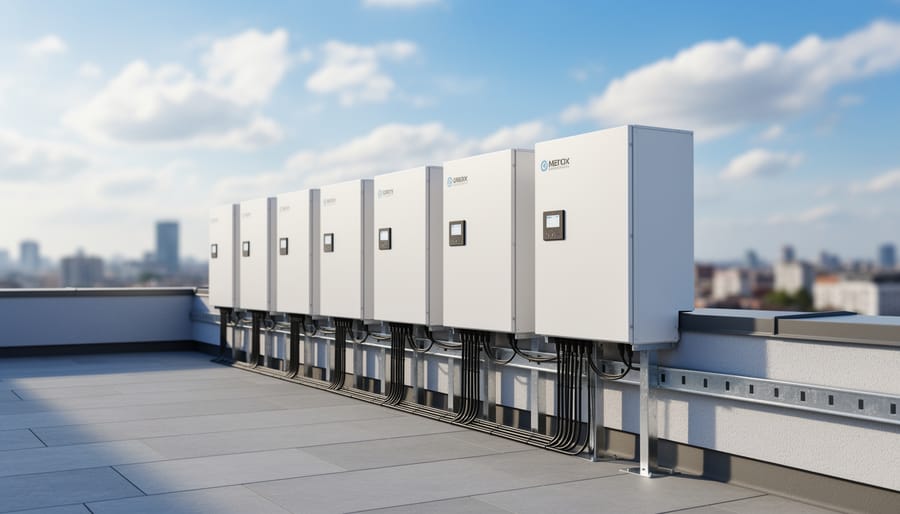
When you work with an OEM-partnered installer, you’re not just getting a battery system, you’re tapping into a continuous stream of technological advancement that keeps your investment current and competitive.
Partnered installers gain priority access to new product releases before they reach the broader market. This means businesses exploring battery storage options can deploy the latest efficiency improvements, capacity upgrades, and safety features months ahead of competitors working with non-partnered providers. For residential customers, this translates to systems that incorporate the newest cell chemistry and thermal management technologies as they become available.
The advantage extends well beyond hardware. OEM partners receive regular software updates that enhance system performance, add new capabilities, and optimize energy management algorithms. Tesla’s Powerwall installations through certified partners, for example, benefit from over-the-air updates that improve charge scheduling, grid services functionality, and integration with time-of-use tariffs. These refinements happen automatically, increasing the value of your system without additional cost or site visits.
Manufacturer training programs give partnered installers deep technical knowledge that independent contractors simply cannot access. These aren’t generic certification courses, they’re hands-on sessions conducted by the engineers who designed the systems. Your installer learns optimal placement strategies for specific environments, troubleshooting techniques that resolve issues before they affect performance, and configuration settings that maximize return on investment for your particular usage patterns.
Technical support operates on an entirely different level. When an OEM partner encounters an unusual integration challenge or needs to optimize system performance for a complex commercial application, they can contact manufacturer engineering teams directly. This hotline access means solutions come from the source, not from trial-and-error experimentation. The result: installations that work correctly the first time and systems that integrate seamlessly with solar arrays, building management systems, and utility programs.
Independent installers lack this direct manufacturer relationship. They rely on public documentation, generic support channels, and their own troubleshooting experience. That approach works for straightforward installations but falls short when you need sophisticated integration, custom programming, or rapid resolution of technical issues that could cost your business thousands in lost efficiency.
Warranty Protection and Long-Term Support You Can Trust
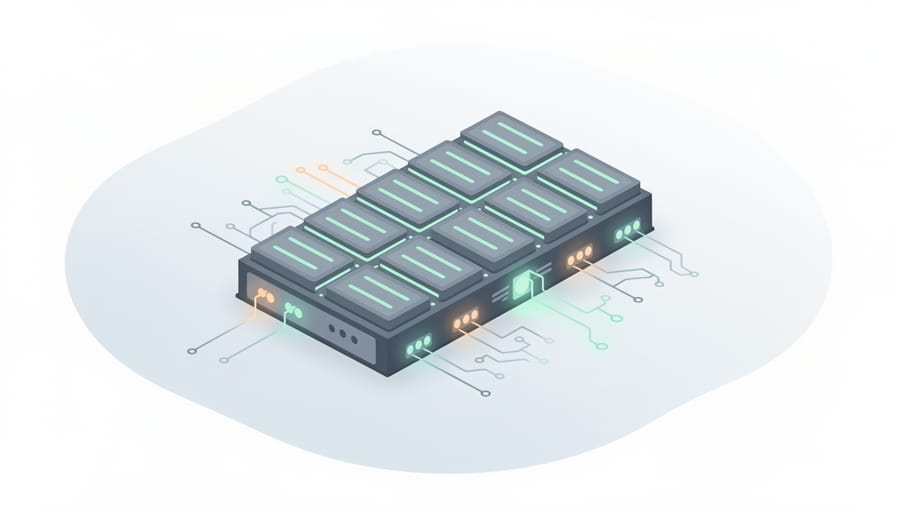
When your battery storage system encounters an issue five years after installation, the quality of warranty coverage becomes urgent reality rather than abstract protection. Manufacturer-backed warranties through OEM partnerships provide direct recourse to the companies that built your system, eliminating the finger-pointing that often occurs when installers, battery manufacturers, and component suppliers operate independently.
OEM-partnered installations typically include comprehensive manufacturer warranties covering both the battery hardware (usually 10 years or more) and performance guarantees ensuring your system retains specified capacity over its lifespan. These warranties come directly from manufacturers like Tesla or SolarEdge, meaning claims go through established processes backed by companies with resources and reputations to protect. Third-party warranties from non-partnered installers often carry shorter terms, more exclusions, and depend entirely on whether that specific installation company remains in business when you need service.
The authorized service network becomes critical when problems arise. OEM partners maintain direct communication channels with manufacturer technical support teams, access proprietary diagnostic tools, and receive priority parts allocation. If your inverter fails or your battery management system requires replacement, authorized installers can source genuine components quickly rather than searching for compatible alternatives that may void remaining coverage. This aftercare guide approach ensures consistent support throughout your system’s decade-plus operational life.
Perhaps most importantly, OEM partnerships provide warranty transferability that protects your investment if you sell your property. Manufacturer-backed coverage typically transfers to new owners through simple registration updates, maintaining system value and marketability. Generic installations often carry non-transferable installer warranties that expire with ownership changes, potentially reducing property appeal to informed buyers who understand the long-term support implications of battery storage systems.
How OEM Partnerships Deliver Cost-Effectiveness
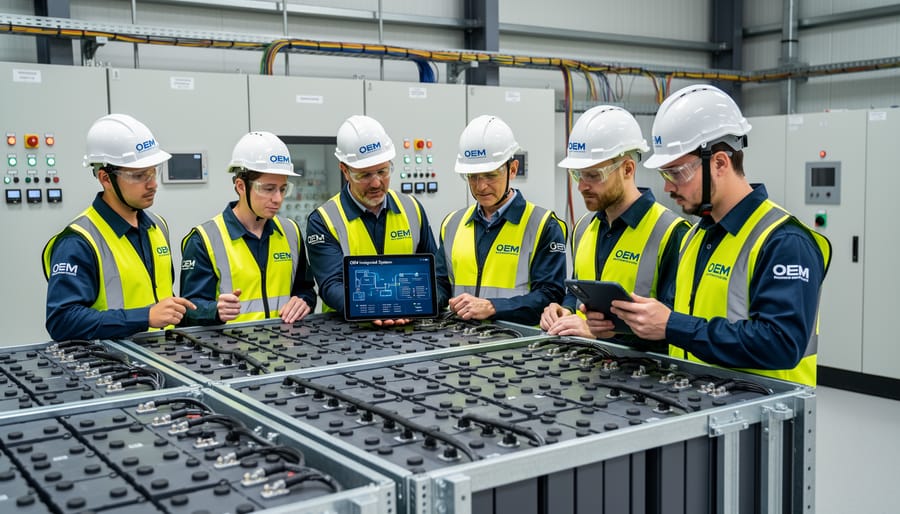
The cost advantages of OEM partnerships extend far beyond the initial price tag. When a battery installer works directly with manufacturers like Tesla or SolarEdge, they tap into established supply chains that eliminate middleman markups and guarantee authentic components. This direct relationship typically translates to 15-20% better pricing on equipment compared to installers sourcing through third-party distributors or gray market channels.
Installation efficiency creates immediate savings. OEM-partnered installers follow standardized procedures developed and refined by manufacturers across thousands of installations. Their technicians receive factory training on specific systems, which means a Tesla Powerwall installation that might take an inexperienced crew two full days gets completed in four to six hours by certified partners. That time savings reduces your labor costs and gets your system generating returns faster.
Compatibility issues vanish when installers work within manufacturer ecosystems. Generic battery installers often face unexpected challenges integrating components from different brands, leading to troubleshooting delays, additional site visits, and modifications that weren’t in the original quote. OEM partners eliminate these costly surprises because they work with pre-verified component combinations and have direct engineering support when questions arise.
The real financial advantage compounds over time. Manufacturer-backed systems perform more reliably, which means fewer emergency service calls at £200-£400 each. Software updates arrive automatically rather than requiring paid technician visits. When components do need replacement, OEM partners access wholesale pricing and priority parts availability instead of retail markups and backorder delays.
Performance optimization drives ongoing savings. OEM partners receive manufacturer training on extracting maximum value from battery systems through proper sizing, optimal charge/discharge programming, and integration with time-of-use rates. A properly optimized commercial system can deliver 12-18% greater bill savings annually compared to a baseline installation, and that difference accumulates substantially across the system’s lifespan.
Quality Assurance and Performance Standards
OEM partnerships come with stringent requirements that separate qualified installers from those simply ordering products online. Tesla, for instance, requires its Certified Installers to complete comprehensive training modules covering everything from system design principles to troubleshooting protocols. These programs typically involve 40+ hours of technical instruction, hands-on installation practice, and recertification every two years to maintain active status.
The certification process extends beyond basic installation techniques. Partnered installers must demonstrate proficiency in electrical safety standards, building code compliance, and manufacturer-specific integration procedures. They undergo background checks, carry specialized insurance coverage, and maintain clean safety records. SolarEdge requires partners to pass written examinations on its battery management systems before granting access to wholesale pricing and technical support channels.
These quality controls directly protect your investment. Certified installers follow manufacturer-approved procedures that prevent common mistakes like improper torque specifications, inadequate ventilation, or incorrect system sizing. They use calibrated testing equipment to verify performance before handoff and document every step for warranty compliance. Generic installers might successfully connect a battery, but they lack the training to optimize charge algorithms, configure grid services features, or diagnose performance issues that emerge months after installation.
OEM partners also commit to ongoing performance standards. Regular audits check that installations meet specifications, while customer satisfaction metrics determine whether partnerships continue. This accountability structure ensures installers maintain high standards throughout your system’s life, supporting long-term performance through manufacturer-backed expertise rather than trial-and-error approaches.
Real-World Benefits for Commercial and Residential Customers
For commercial customers, OEM-partnered battery installations deliver measurable operational advantages that impact the bottom line. Businesses gain predictable energy costs through reliable storage capacity, reduce demand charges by deploying battery power during peak rate periods, and maintain operations during grid outages without expensive backup generators. The manufacturer-backed systems integrate seamlessly with commercial energy auditing tools, allowing facility managers to track consumption patterns, optimize charging schedules, and quantify energy savings with precision. Companies also access grid services programs where utilities compensate battery owners for providing demand response or frequency regulation, creating new revenue streams impossible with generic storage solutions.
Residential customers experience energy independence that transforms how they use solar power. Instead of watching excess daytime generation flow back to the grid at minimal compensation, homeowners store that energy for evening use when electricity rates peak. During outages, manufacturer-backed battery systems automatically switch to backup mode, keeping essential circuits powered while neighbors remain dark. The systems work with existing solar arrays through tested integration protocols, eliminating compatibility headaches that plague third-party storage additions.
Pros
- Manufacturer warranties covering both equipment and installation eliminate finger-pointing when issues arise.
- Certified installers receive ongoing technical training, ensuring proper system configuration and optimization.
- Standardized components and procedures reduce installation time and minimize potential failure points.
- Direct manufacturer support channels provide faster resolution than generic installer networks.
- Software updates and feature enhancements deploy automatically through manufacturer platforms.
Cons
- Initial costs may appear higher compared to unbranded alternatives lacking equivalent support infrastructure.
- Equipment choices limited to partner manufacturer product lines rather than mixing multiple brands.
- Installation scheduling depends on certified installer availability in your region.
Both customer types benefit from simplified system management. Manufacturer apps provide real-time monitoring, performance alerts, and energy usage insights without requiring technical expertise. When you need to manage system after installation authorized service networks respond quickly with trained technicians who understand your specific equipment. This manufacturer backing means decade-long performance confidence rather than hoping a small installer remains in business throughout your battery’s lifespan.
Selecting a battery storage installer with established OEM partnerships gives you direct access to the technology, support infrastructure, and performance guarantees that independent solutions simply can’t match. When your installer maintains certified partnerships with manufacturers like Tesla and SolarEdge, you’re not just buying a battery system, you’re gaining entry to a proven ecosystem of innovation, warranty protection, and technical expertise that continues delivering value throughout your system’s 15-year-plus lifespan.
These manufacturer relationships mean your installation follows verified standards, your equipment receives priority support when issues arise, and software updates automatically optimize your system’s performance as grid technologies evolve. The cost benefits extend beyond competitive pricing to include reduced installation time, fewer compatibility problems, and lower maintenance expenses over time. For businesses pursuing energy independence, this translates to predictable costs and reliable performance that supports your operational goals.
Before committing to any battery storage project, ask potential installers specific questions about their manufacturer certifications, training credentials, and partnership history. Request documentation of their authorized status with major battery brands. The quality of these partnerships directly impacts your system’s performance, the validity of your warranty coverage, and your access to technical support when you need it most. Strong OEM relationships aren’t just a nice-to-have, they’re the foundation of battery storage solutions that actually deliver on their promises of energy independence and long-term value.