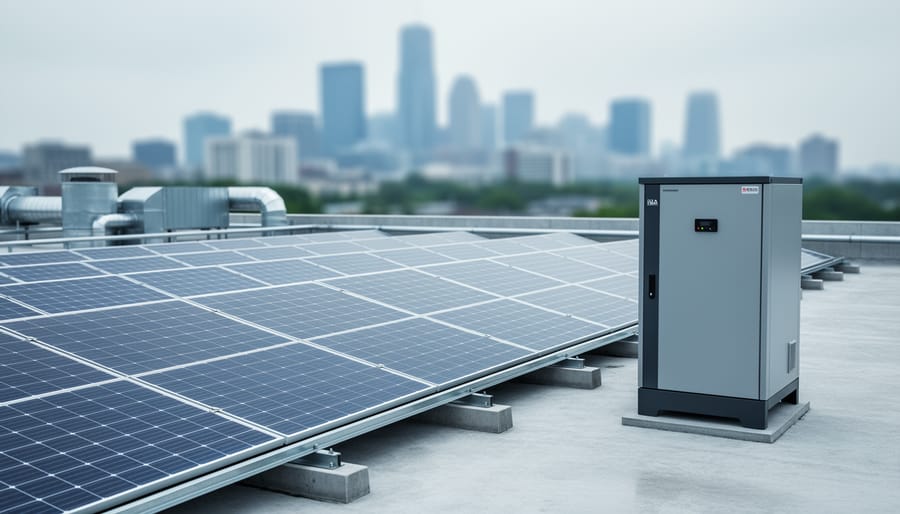
Commercial energy management is the systematic process of monitoring, optimizing, and maintaining your battery storage and solar systems after installation to maximize return on investment, ensure energy independence, and protect against costly downtime. The core framework includes daily automated monitoring, monthly performance reviews, quarterly maintenance checks, and annual comprehensive evaluations, supported by the right technology partnerships and clear accountability protocols.
Your solar and battery installation represents a substantial capital investment, often ranging from tens to hundreds of thousands of dollars. Yet many businesses treat aftercare as an afterthought, discovering performance issues months after they’ve begun eroding savings. The difference between a system that delivers projected ROI and one that underperforms by 20-30% lies entirely in how you manage it after the ribbons are cut and the installers leave.
Effective commercial energy management isn’t about becoming an electrical engineer. It’s about establishing clear processes that catch problems early, optimize performance as your business evolves, and ensure every component operates within design parameters. This means knowing which metrics matter, when to intervene, and how to work with your technology partners to address issues before they compound.
The stakes are tangible. A battery storage system operating at reduced efficiency can cost thousands in lost arbitrage opportunities. Solar panels covered in debris or affected by shading changes can see production drops of 15% or more. Grid connection issues can trigger demand charges that wipe out months of savings. Each of these problems is preventable with structured management protocols.
This guide provides the complete aftercare framework, from the tools you need on day one to the specific steps for monthly optimization reviews. You’ll learn how to verify system performance, when to schedule professional maintenance, and how to integrate your energy auditing process into broader operational planning. Whether you manage facilities for a single location or oversee multiple sites, these protocols protect your investment and deliver the energy independence your business requires.
What You Need for Effective Energy System Aftercare

Managing a commercial energy system effectively requires more than good intentions, you need the right tools and resources from day one. Think of aftercare as a structured process rather than an ad-hoc response to problems. Having everything in place before you need it prevents reactive scrambling and helps you maximize your investment’s performance.
Your aftercare toolkit splits into three categories: monitoring technology, documentation, and maintenance resources. Start with the monitoring platforms provided by your equipment manufacturers. Tesla’s commercial energy systems include dedicated monitoring portals that track battery performance, charge cycles, and system health in real time. SolarEdge offers similar capabilities for solar installations, with detailed analytics on generation patterns and panel-level performance. These platforms aren’t optional extras, they’re your primary window into how your system operates day to day.
Beyond manufacturer-specific tools, you’ll need:
- Real-time energy monitoring software that integrates battery storage and solar generation data
- Mobile apps for remote system access and alert notifications
- Complete installation documentation, including system specifications and warranty terms
- Contact information for certified technicians and your technology partners
- Baseline performance reports from your commissioning process
- A maintenance log for tracking service visits and system changes
- Energy consumption records showing pre-installation patterns for comparison
- Utility rate schedules and time-of-use tariff details for optimization planning
Digital dashboards serve as your command center, but don’t overlook physical documentation. Keep printed copies of critical system information, emergency shutdown procedures, and technician contact details in an accessible location near your energy equipment. During a system fault or power event, you can’t rely on digital access alone.
The investment in proper monitoring tools pays for itself through early problem detection and optimization opportunities. A system that alerts you to a 10% efficiency drop lets you address minor issues before they become expensive repairs or extended downtime.
Critical Safety and System Protection Warnings
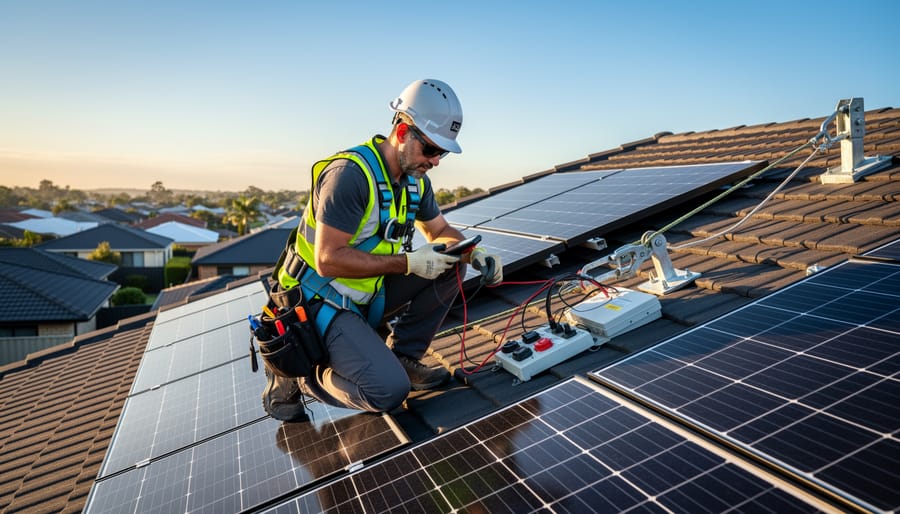
Commercial energy systems operate at dangerous voltage levels and contain substantial stored energy that demands respect and caution. Before performing any management activities beyond basic monitoring software checks, understand the risks and your limitations as a facility manager.
Your battery storage units contain high-voltage DC power, often 400-800 volts or higher, which poses severe electrocution risk. Solar arrays generate electricity whenever light hits the panels, meaning they’re energized during all daylight hours with no simple “off” switch. Never open electrical cabinets, disconnect wiring, or touch exposed terminals. These tasks belong exclusively to licensed electricians with commercial solar and storage certification.
Battery thermal events, though rare with quality systems from partners like Tesla and SolarEdge, require specific response protocols. Keep fire suppression equipment rated for electrical and chemical fires accessible near battery installations, and ensure your team knows not to use water on battery fires.
Restrict physical access to energy storage areas. Only trained personnel should enter battery rooms or approach inverter cabinets. Your monitoring software provides all the performance data you need for daily management without physical system contact.
Weather events create additional hazards. After storms with potential equipment damage, lightning strikes, or flooding, never inspect outdoor components yourself. Water and electricity combine fatally, and damaged wiring or cracked solar panels can energize unexpected surfaces.
Schedule all maintenance, repairs, and physical inspections through certified professionals who carry proper insurance and follow manufacturer safety protocols. Your role centers on digital monitoring and performance analysis, not hands-on system work. This boundary protects both you and your substantial energy investment.
Step-by-Step Energy Management Process
Step 1: Establish Your Baseline Performance Metrics
Within 72 hours of commissioning, record your system’s key performance indicators while operating under normal conditions. Capture your battery storage capacity in kilowatt-hours, noting the usable versus total capacity, most commercial units from Tesla or SolarEdge retain 80-90% usable storage to protect battery longevity. Document charge and discharge rates in kilowatts, which determine how quickly your system responds to demand peaks or solar generation surges.
Track solar generation patterns hourly for the first month, establishing daily production curves that account for seasonal variation, weather conditions, and shading effects. Record your system’s round-trip efficiency, the percentage of stored energy you can actually retrieve, which typically ranges from 85-95% for quality battery storage systems.
This baseline performance review creates your reference point for detecting degradation, identifying optimization opportunities, and validating warranty claims. Compare actual performance against installation specifications and manufacturer ratings. Any discrepancy exceeding 10% warrants immediate investigation with your installer before the warranty period narrows.
Step 2: Set Up Automated Monitoring and Alerts
Modern commercial energy systems generate massive amounts of performance data, but manual checking wastes time and catches problems too late. Automated monitoring transforms your management approach by flagging issues the moment they emerge and revealing optimization patterns you would otherwise miss.
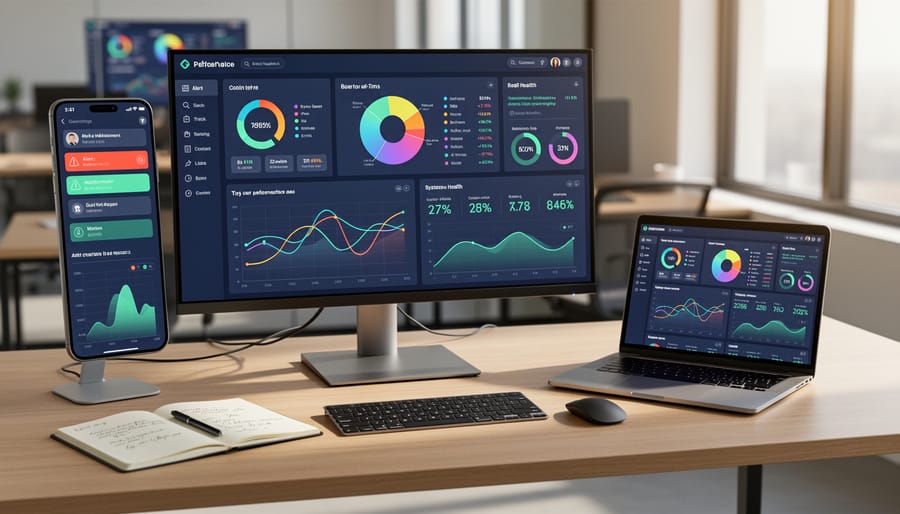
Start by connecting your battery storage and solar systems to their manufacturer’s monitoring platform. Tesla Powerwall systems use the Tesla app, while SolarEdge installations integrate with its monitoring portal. These platforms track energy flows between solar panels, battery units, grid connection, and facility loads in real time. Configure your dashboard to display the metrics that matter most: current charge level, daily energy production versus consumption, battery charge and discharge cycles, and system efficiency percentages.
Next, establish threshold alerts for critical parameters. Set notifications for battery state-of-charge dropping below 20 percent, unexpected discharge rates exceeding normal patterns, solar generation falling 15 percent below expected output for current conditions, and system efficiency declining by more than 10 percent from baseline. These triggers catch equipment degradation, configuration drift, and potential failures before they impact operations or costs.
Enable alerts through email and text message so your facilities team receives warnings even when not actively monitoring dashboards, ensuring swift response to any system irregularities.
Step 3: Conduct Regular Performance Reviews
Regular performance reviews transform raw monitoring data into actionable insights that drive cost savings and system efficiency. Establish a layered review cadence that catches both immediate issues and longer-term trends.
Weekly reviews take 15-20 minutes and focus on immediate concerns. Compare actual energy generation and storage patterns against your baseline metrics. Check for unexpected drops in solar output, unusual battery discharge rates, or anomalies in consumption during off-peak hours. Flag any efficiency declines exceeding 5% for investigation. Track your energy costs week-over-week to spot sudden changes in utility charges.
Monthly reviews require deeper analysis. Examine peak demand patterns to identify opportunities for load shifting that could reduce demand charges. Calculate your solar self-consumption percentage and storage utilization rate. Review time-of-use billing data to confirm your charge-discharge schedule aligns with rate structures. Document cost savings against pre-installation bills and compare against ROI projections.
Your quarterly energy review examines seasonal performance variations and strategic optimization opportunities. Assess whether expanding storage capacity or adjusting panel orientation would improve returns. Review maintenance schedules and warranty compliance. Evaluate energy arbitrage potential if your region offers favorable grid buy-back programs. These structured reviews ensure your system delivers maximum financial and operational value throughout its lifespan.
Step 4: Optimize Energy Usage Patterns
Once you’ve reviewed your system’s performance data, it’s time to actively refine how your commercial energy system operates. Start by adjusting your battery charge/discharge schedules to align with your building’s actual demand patterns rather than default settings. Most businesses discover their energy usage follows predictable rhythms, high consumption during operating hours, minimal use overnight, that your storage system can exploit.
Focus on time-of-use rate optimization. Program your batteries to charge during off-peak periods when electricity costs bottom out, then discharge during expensive peak hours. This simple shift often delivers 20-30% additional savings beyond baseline solar benefits. Your monitoring platform from partners like SolarEdge makes these scheduling adjustments straightforward through their interface.
Maximize solar self-consumption by setting batteries to capture excess midday generation rather than immediately exporting to the grid. You’ll retain more value from your solar investment while reducing grid dependency. However, don’t ignore revenue opportunities entirely. When grid export rates spike, particularly during summer peak demand, strategically selling stored energy can generate meaningful returns.
The key is balancing independence with income. Run monthly what-if scenarios comparing full self-consumption against strategic grid participation. This analysis helps you optimize system efficiency while adapting to seasonal rate changes and evolving business operations.
Step 5: Schedule and Coordinate Preventive Maintenance
Start by creating an annual maintenance calendar that aligns with your manufacturer’s warranty requirements and seasonal performance patterns. Most commercial battery storage systems need professional inspection every six months, while solar arrays typically require annual service visits. Schedule battery maintenance during periods of lower energy demand when taking units offline won’t disrupt operations.
Contact certified technicians from your system manufacturer or authorized service providers at least 30 days before scheduled maintenance. Tesla and SolarEdge maintain networks of qualified professionals who understand the specific requirements of their systems. Request detailed service reports documenting all inspections, tests performed, and components serviced.
Keep a maintenance log that includes dates, technician credentials, work completed, and any parts replaced. This documentation proves warranty compliance and creates a service history that helps technicians diagnose issues more quickly. Store digital copies of service reports alongside your baseline performance data.
Watch for signs between scheduled visits that indicate immediate professional attention: unusual sounds from battery enclosures, persistent error messages, or unexpected performance drops exceeding 10%. Don’t delay calling certified technicians when these warnings appear, as minor issues can escalate into costly repairs if ignored.
Step 6: Track Financial Performance and ROI
Tracking financial performance transforms abstract energy data into concrete business value. Start by comparing monthly utility bills before and after installation, noting both demand charge reductions and consumption savings. Modern monitoring platforms from partners like Tesla and SolarEdge automatically calculate these metrics, but verify them against actual invoices.
Document energy exported to the grid and revenue earned through net metering or capacity programs. Track any tax incentives received, including the Investment Tax Credit and accelerated depreciation benefits. Calculate your simple payback period by dividing total system cost by annual savings, then monitor how operational efficiencies improve this timeline.
Create quarterly ROI reports showing cumulative savings, revenue generated, and performance against initial projections. This documentation proves business value to stakeholders and justifies future energy investments.
Verification: How to Confirm Your System Is Performing Optimally
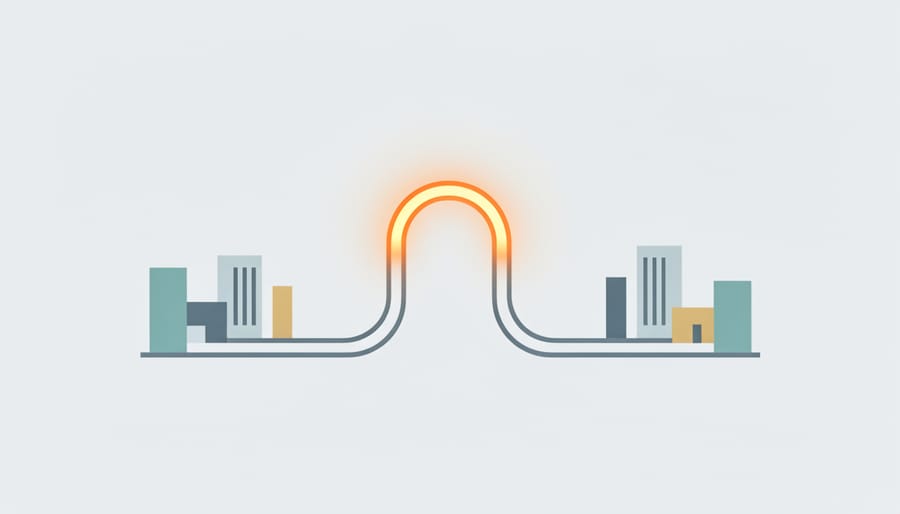
Optimal performance verification requires tracking both technical metrics and financial returns across five key dimensions. Start by comparing your actual energy storage capacity against rated specifications, commercial battery systems should maintain 90-95% of their nameplate capacity within the first year. Monitor round-trip efficiency, which measures how much stored energy you can retrieve; quality systems from Tesla and SolarEdge typically achieve 85-90% efficiency, meaning minimal energy loss during charge and discharge cycles.
Your solar generation should align with inverter data and seasonal expectations. Calculate the performance ratio by dividing actual output by theoretical maximum output, commercial systems operating well typically achieve 75-85% performance ratios. Significant drops below these benchmarks signal panel soiling, shading issues, or equipment degradation requiring attention.
Financial verification confirms your business outcomes match projections. Compare current utility bills against your pre-installation baseline to quantify actual savings. Most commercial installations achieve 30-60% reductions in energy costs within the first year through peak shaving and solar self-consumption. Track your demand charges specifically, effective battery management should reduce these by 20-40%.
Watch for these warning signs indicating adjustment needs: battery state-of-charge consistently reaching extreme highs or lows, frequent alerts from your monitoring system, energy bills creeping upward despite stable consumption patterns, or reduced solar output without clear weather-related causes. These indicators suggest your management strategy requires recalibration or professional assessment.
Document verification results monthly in a simple spreadsheet. Consistent record-keeping reveals performance trends, demonstrates ROI to stakeholders, and maintains warranty compliance through proof of proper system oversight. This documentation becomes invaluable when planning system expansions or technology upgrades.
Next Steps: Maximizing Long-Term Energy Independence
Once you’ve established effective aftercare routines, focus on strategic expansion to deepen energy independence. Start by analyzing your annual consumption data to identify growth opportunities. If your system consistently meets 70-80% of demand, consider adding capacity before hitting ceiling limits.
Technology upgrades offer substantial gains without full system replacement. Modern battery units from Tesla and SolarEdge deliver higher energy density and faster response times than models from three years ago. Retrofitting newer inverters can boost efficiency by 5-10%, directly improving your return on investment. Evaluate upgrade economics every three years as battery technology advances rapidly.
Diversifying renewable sources strengthens resilience. Adding wind generation to existing solar creates complementary production patterns, wind often peaks when solar drops. Small-scale hydroelectric or geothermal heat pumps can fill seasonal gaps. Each addition requires recalibrating your monitoring protocols and maintenance schedules, but the payoff is smoother energy availability year-round.
Scale your aftercare framework as you expand. Document procedures for each system component so new team members can maintain operational excellence. Invest in advanced monitoring platforms that aggregate data across multiple generation and storage assets. This unified view simplifies management and reveals optimization opportunities across your entire energy portfolio.
Regular energy audits become more valuable as systems grow. Professional reviews every 18-24 months ensure long-term system performance by catching degradation early and validating that expanded capacity delivers projected benefits. These audits also identify emerging technologies worth adopting, keeping your infrastructure competitive and your business positioned for maximum energy independence.
Common Energy Management Questions
Managing commercial energy systems raises practical questions that business owners encounter regularly during the aftercare phase. Understanding these common concerns helps you maintain optimal system performance and protect your investment.
How often should I check my energy system’s performance?
Review your monitoring dashboard daily for alerts and anomalies, conduct detailed weekly analyses of energy patterns, and perform comprehensive monthly assessments of efficiency metrics. Most business owners spend 10-15 minutes daily on routine checks and 1-2 hours monthly on thorough reviews.
What professional maintenance does my battery storage system need?
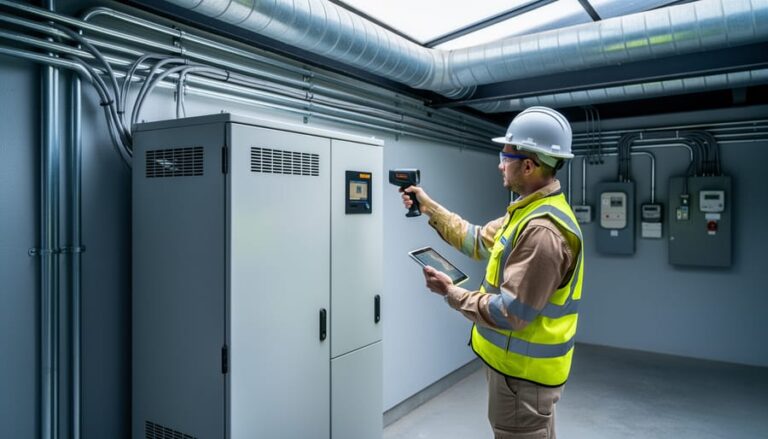
Commercial battery systems require professional inspection every 6-12 months, depending on usage intensity and manufacturer recommendations. These visits typically include electrical connection checks, thermal imaging, battery health diagnostics, and firmware updates that protect warranty coverage.
Will self-managing my system void the warranty?
Monitoring and optimizing your system through manufacturer-approved software preserves your warranty, but physical maintenance or repairs must be handled by certified technicians. Keep detailed records of all professional service visits to maintain warranty protection.
How long do commercial battery storage systems last?
Quality commercial battery systems typically deliver 10-15 years of effective service with proper aftercare, though performance gradually decreases over time. Regular monitoring helps you plan for eventual replacement before significant efficiency loss affects business operations.
What’s the most common sign my system needs attention?
Sudden drops in charge capacity, increased charging times, or unexplained efficiency losses signal potential issues requiring professional assessment. Most problems are caught early through consistent monitoring before they impact energy independence or cost savings.
Can I expand my system after initial installation?
Most commercial systems support phased expansion, allowing you to add battery capacity or solar panels as energy needs grow. Work with your original installer or certified partner to ensure compatibility and maintain system integration for seamless operation.
These questions reflect the real-world concerns businesses face when transitioning from installation to long-term system management. The answers emphasize that effective aftercare balances proactive monitoring with strategic professional support, protecting both your system’s performance and your business investment in energy independence.

+ There are no comments
Add yours